
The entourage effect
Most modern psilocybin research focuses on isolated compounds, especially psilocin and its precursor, psilocybin. But a whole mushroom is chemically richer than that.
A Psilocybe mushroom may also contain other tryptamine-related compounds such as A psilocybin-related compound found in some psilocybin-producing mushrooms and often discussed as part of their wider chemical profile. , along with constituents like A naturally occurring compound that can influence signaling in the nervous system and was included in the study’s deeper modeling. , A beta-carboline compound that may affect how other neuroactive compounds are processed in the body. , A beta-carboline highlighted in the paper for its possible interaction with MAO-A, an enzyme involved in monoamine breakdown. , and Another beta-carboline discussed as part of the mushroom’s possible broader multi-compound effects. .
Not all of them are equally active, and not all are likely to matter in the same way. Still, their presence suggests that a mushroom is not simply a single molecule in organic packaging. Each cap and stem contains a small ensemble of compounds that may or may not help shape the overall effects linked with psilocybin-producing mushrooms.
In a new 2026 Scientific Reports paper, researchers looked at this phenomenon through the technical lens of computational modeling in pursuit of one question: when a mushroom contains more than one bioactive compound, might its effects arise from more than one meaningful contributor—what is often called the entourage effect?
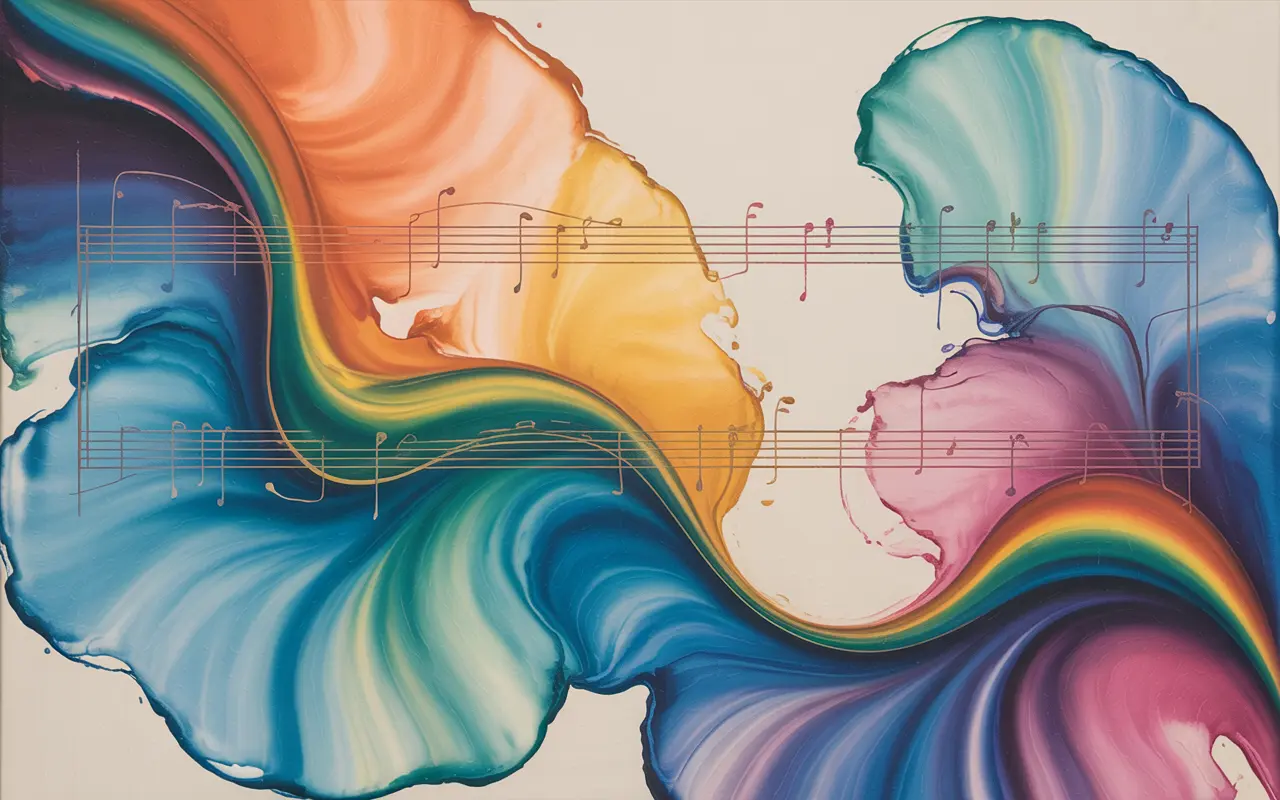
What is the entourage effect? Think of it like a piece of music: one instrument may carry the melody, but harmony, texture, and emotional tone still depend on what surrounds it.
How the Study Worked
The researchers began with compounds and computers, not people.
Starting from prior literature on psilocybin-producing mushrooms, they assembled a list of fifteen naturally occurring compounds reported in these species.
From there, they used computational screening to narrow the list to the compounds most worth carrying into the brain-focused phase of the analysis. Eight moved forward.
| Compound | How it appears in the study | What role it may play |
|---|---|---|
| Psilocin | The active form of psilocybin and the clearest serotonergic anchor in the study. | Likely the main driver of psychedelic effects, especially through HTR2A-related activity. |
| Norpsilocin | A lesser-known psilocin-like compound that also met the study’s brain-focused screening criteria. | May contribute to serotonergic activity beyond psilocin alone. |
| 4-Hydroxytryptamine | Another active metabolite the study treated as brain-relevant. | Supports the idea that multiple mushroom compounds may act in related serotonin-linked systems. |
| 4-Hydroxy-N,N,N-trimethyltryptamine | Included as a plausible brain-active compound, though its retention in the brain may be limited by transport mechanisms. | Suggests that some compounds may matter, but not all to the same degree or in the same way. |
| Phenylethylamine | Carried forward because it showed predicted brain access and possible neurochemical relevance. | May help broaden the mushroom’s overall signaling profile beyond classic psychedelic pathways alone. |
| Harmaline | One of the beta-carbolines that stood out not only for brain access, but for possible effects on metabolism and transport. | May help shape how long or how strongly other compounds remain active in the system. |
| Harmane | A beta-carboline that became especially interesting because of its modeled interaction with MAO-A. | May influence monoamine breakdown and help support a broader entourage-style effect. |
| Harmol | Another beta-carboline linked in the study to MAO-A-related modeling and possible metabolic effects. | May help shape the tone or duration of the overall neurochemical response rather than acting as a primary psychedelic driver. |
In their modeling, the team focused especially on properties such as gastrointestinal absorption and the ability to cross the blood-brain barrier, because a compound cannot do much in the brain if it is unlikely to get there in meaningful amounts.
After that, they used target-prediction tools to estimate which human proteins these compounds might plausibly interact with.
They then looked at how those predicted targets related to one another in a broader protein-protein interaction network.
In plain English, this helped them move from a loose list of compounds to a more organized picture of which brain-relevant systems and pathways might be involved.
Reflections Along the Way
If you found this article helpful, you’re welcome to subscribe below for occasional updates on new writing, free guides and worksheets, events, and upcoming retreats.
A Shared System, Different Roles
The paper’s model makes the most sense if you don't assume that every mushroom compound has to matter in the same way. Some may act closer to the receptor level, engaging targets linked to psychedelic effects, while others may shape the wider chemical setting in which those effects unfold.
Seen that way, the eight modeled compounds do not look like isolated curiosities. Several showed favorable A shorthand for how a compound is absorbed, distributed, metabolized, and cleared in the body. , plausible brain access, and interactions with targets tied to serotonin signaling, monoamine metabolism, neurotransmitter transport, and dopaminergic regulation, including A serotonin receptor strongly associated with the classic psychedelic effects of psilocin. , An enzyme that breaks down monoamines such as serotonin, dopamine, and norepinephrine. , The gene that codes for the serotonin transporter, which helps clear serotonin from the synapse. , and A dopamine receptor involved in reward, motivation, and cognitive regulation. .
Why MAO-A Matters Here
That is part of why An enzyme that helps break down monoamines such as serotonin, dopamine, and norepinephrine. becomes so interesting in this paper. MAO-A helps break down monoamines such as serotonin, dopamine, and norepinephrine, and in the authors’ model, compounds such as A beta-carboline compound the study linked to possible MAO-A interaction. and Another beta-carboline compound the study modeled as a possible MAO-A binder. showed favorable binding to it.
If interactions like that were confirmed in living systems, they could matter because slowing The process by which signaling chemicals like serotonin and dopamine are metabolized and cleared. might alter the tone or duration of psilocin-related signaling.
What Remains Uncertain
The most important caution is also the plainest: this was still a computational study, not a clinical one. One asks what seems biologically plausible in a model. The other asks what actually happens when real people receive a treatment.
However detailed the modeling may be, it cannot directly tell us whether whole mushrooms improve depression more effectively, produce more meaningful experiences, or lead to better long-term outcomes than isolated psilocybin in real people. It can, however, tell us where to look.
For another example of careful research translation, explore what a rat study on psilocybin, MDMA, and myelin-related brain cells does—and does not—suggest about possible longer-term change.
This study does not prove that whole mushrooms work better than isolated psilocybin, and it does not settle the larger clinical questions that still matter most.
What it does clarify is that psilocybin-producing mushrooms may be pharmacologically more layered than they are often assumed to be.
While the team of researchers offer no final answer, their study does offer a more coherent reason to keep asking the question. If psilocin carries the melody, other compounds may still shape the tone, duration, and texture around it.